
Five Myths About Reverse Mortgages That Bay Area Homeowners Still Believe
Reverse mortgages are one of the most misunderstood financial tools in real estate, and Bay Area homeowners with significant equity are often the very people who could benefit most from understanding them accurately. The problem is that most of what people believe about reverse mortgages comes from outdated information, secondhand stories, or a general unease with anything unfamiliar.
Let us go through the five most common myths, because accurate information here can genuinely change the quality of someone's retirement.
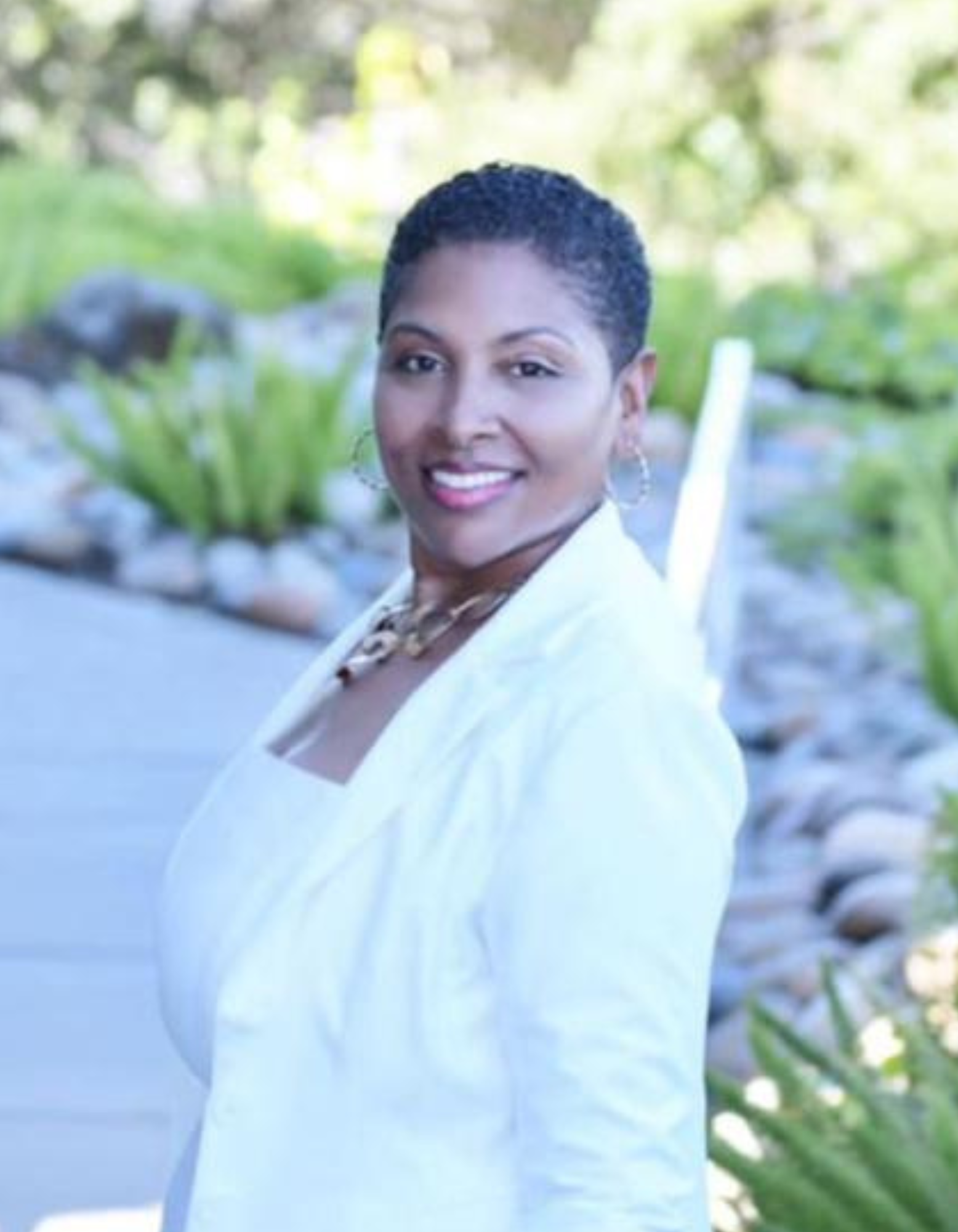
I am Katrina Carter, an East Bay broker and loan officer who specializes in helping longtime homeowners make smart decisions about their equity. Part of my job is helping people separate myth from reality so they can make informed choices rather than avoid decisions based on things that are no longer true.
Myth 1: The Bank Takes Your Home
This is the most persistent misconception, and it is simply not accurate. With a reverse mortgage, you retain title to your home. You remain the owner. The loan becomes due when you permanently move out, sell the home, or pass away. The lender does not take ownership at any point during your lifetime, as long as you continue to meet the basic loan requirements: paying your property taxes, maintaining homeowners insurance, and keeping the home as your primary residence.
If you have heard stories from decades past where this was handled differently, the product has changed substantially. The rules that govern today's reverse mortgages are far more consumer protective than anything that existed in the 1980s or 1990s.
Myth 2: You Can Owe More Than the House Is Worth
Reverse mortgages issued today are almost entirely federally insured Home Equity Conversion Mortgages, commonly called HECMs. They include a nonrecourse provision, which means you or your heirs can never owe more than the home's appraised value at the time of sale. If the loan balance grows beyond the home's value over time, which can happen with older borrowers who stay in the home for many years, the FHA insurance covers the difference. Your other assets are protected. The lender cannot come after your savings, investments, or other property.
Myth 3: Your Heirs Will Be Stuck With the Debt
Your heirs have real options. They can sell the home, pay off the reverse mortgage balance, and keep whatever equity remains. They can refinance the reverse mortgage into a traditional mortgage if they want to keep the property. They are typically given 12 months to make a decision after the borrower passes.
In Bay Area markets where homes have appreciated significantly over decades, families often walk away with substantial equity even after the loan is fully repaid. A $400,000 reverse mortgage balance on a home worth $2M leaves $1.6M for heirs before costs. The loan is not the inheritance-eliminating event many families fear it will be.
Myth 4: Reverse Mortgages Are Only for People Who Are in Financial Trouble
This one surprises people the most. Financial planners who actually understand the product use reverse mortgages regularly as part of broader retirement strategies for clients who are in solid financial shape.
Common strategies include: using a reverse mortgage to eliminate a remaining monthly mortgage payment and free up cash flow, establishing a standby line of credit that grows over time and can be drawn on as needed, or using home equity to bridge early retirement years so Social Security can be delayed to a higher payout age. These are not desperation moves. They are deliberate planning tools, and more advisors are recommending them for the right clients.
Myth 5: You Have to Take a Lump Sum
There are actually several ways to receive proceeds from a reverse mortgage. You can take a lump sum, set up monthly payments to yourself over a fixed term or for life, establish a line of credit you draw from as needed, or combine these approaches. The line of credit option is particularly underused and underappreciated.
Here is what most people do not know: the unused portion of a reverse mortgage line of credit grows over time at the same rate as the loan interest. That means if you establish the line and do not draw on it immediately, your available funds actually increase each year. For someone who wants to have access to equity as a safety net without drawing on it unless needed, this is a genuinely powerful option.
A Real Story
I recently worked with a homeowner in the East Bay who had been in her home for 32 years. She had a small remaining mortgage balance with a monthly payment that was tight on her fixed income. We looked at a reverse mortgage to eliminate that payment entirely. The result was an extra $1,400 per month in her pocket without selling, moving, or touching her other savings. She stayed in the home she loved. Her heirs still have substantial equity to inherit when the time comes. And she stopped lying awake at night worrying about her monthly budget. That is what accurate information makes possible.
Frequently Asked Questions
Can I get a reverse mortgage if I still have a regular mortgage?
Yes. The reverse mortgage pays off the existing loan balance first, and any remaining proceeds come to you. Many people use it specifically for this purpose, to eliminate a monthly mortgage payment in retirement.
What age do you have to be?
For an FHA-backed HECM, you must be at least 62. Some private reverse mortgage products exist with lower age requirements, but the HECM is the most commonly used option and has the strongest federal consumer protections.
How much can I borrow?
The amount depends on your age, your home's appraised value, and current interest rates. In general, the older you are and the more equity you have, the more you can access. Bay Area homes often qualify for the federal maximum lending limit, which makes these loans particularly relevant for homeowners here.
Does my income or credit score matter?
Less than with traditional mortgages. There is a basic financial assessment to ensure you have the capacity to maintain property taxes and insurance, but the primary collateral is the home itself. Many borrowers who would not qualify for a conventional refinance do qualify for a reverse mortgage.
Katrina Carter
Broker Associate | Loan Officer
Call or text: 510.288.6002